Gods of Tomorrow. Directing a dark fantasy series in 15-second episodes.
I created and directed a serialised dark fantasy series for YouTube Shorts, TikTok and Instagram Reels. No dialogue, no crew: a one-eyed hare ronin, a child-god he protects, and an AI video model I had to design around. The method was the one I use at work. Find the constraint, build a system, test it, measure, then change what the data says to change.
- Creative direction
- Prompt design
- Art direction
- Editing
- Channel launch
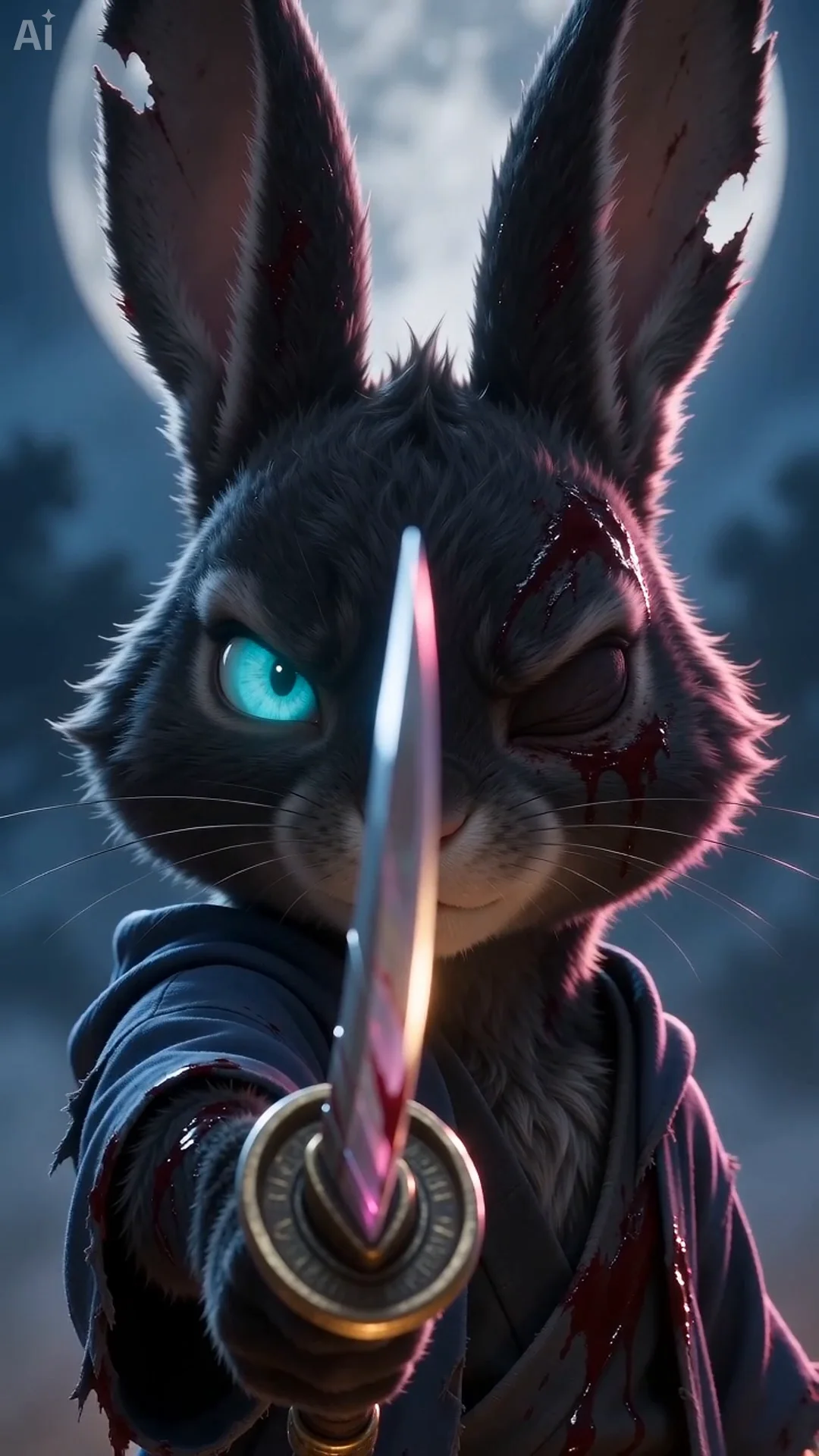
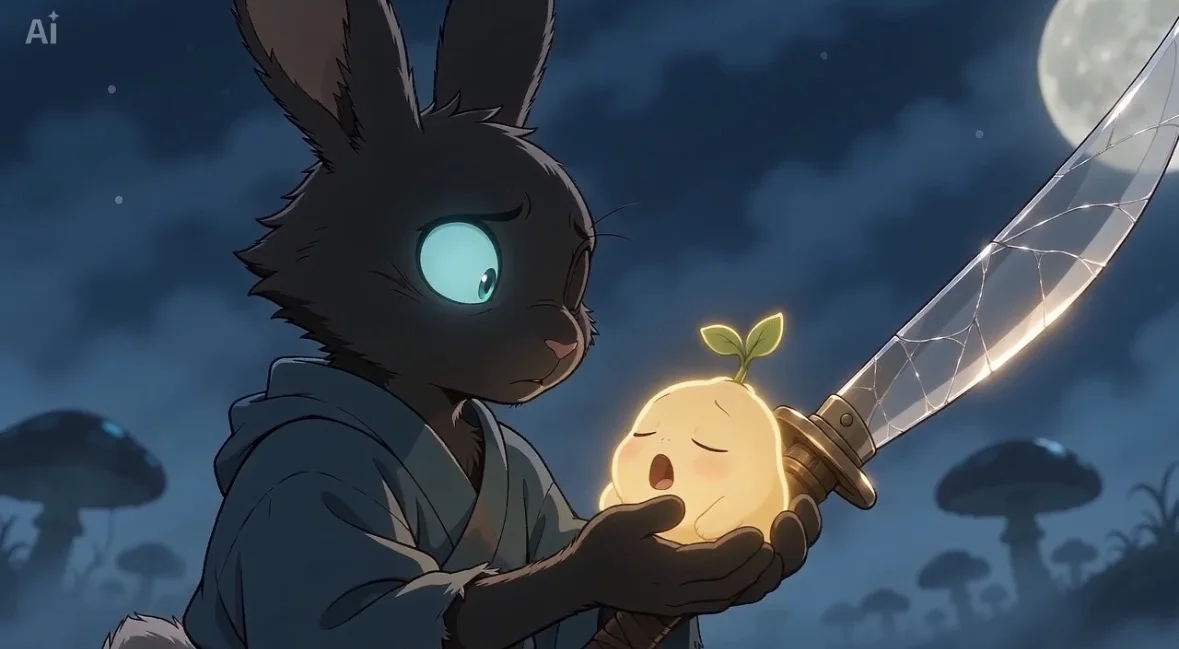
- Series still
- Client
- Personal project
- My role
- Creative director and designer
- Team
- Me, with Claude as production partner
- Timeline
- October 2026
What came out of it.
- Season 1, “The Seed”: an intro trailer plus 10 episodes, complete and published on three platforms. See Process
- A rulebook of design principles, each one learned from something the AI got wrong. See Design principles
- Episode 2: 1,855 views on Instagram in its first days; 65% of trailer viewers were new to both accounts. See Results
- Season 2 redesigned from the retention data: every episode now opens on a one-second hook. See ResultsLaunch-week figures, not a verdict.
- Constraints
- About 60 credits per 15-second clip, so every re-make had a cost
- 15 seconds, vertical, no dialogue: the story had to be read, not heard
- Platform rules on violence: no skeletons or human body parts, stylised neon blood only
Could I direct a series I couldn’t film?
I wanted to find out whether a story could be told in 15-second vertical episodes with no dialogue, using an AI video model as the only camera. The question underneath was a design one: how do you keep a character, a world and a plot consistent when the tool that draws them forgets everything between takes?
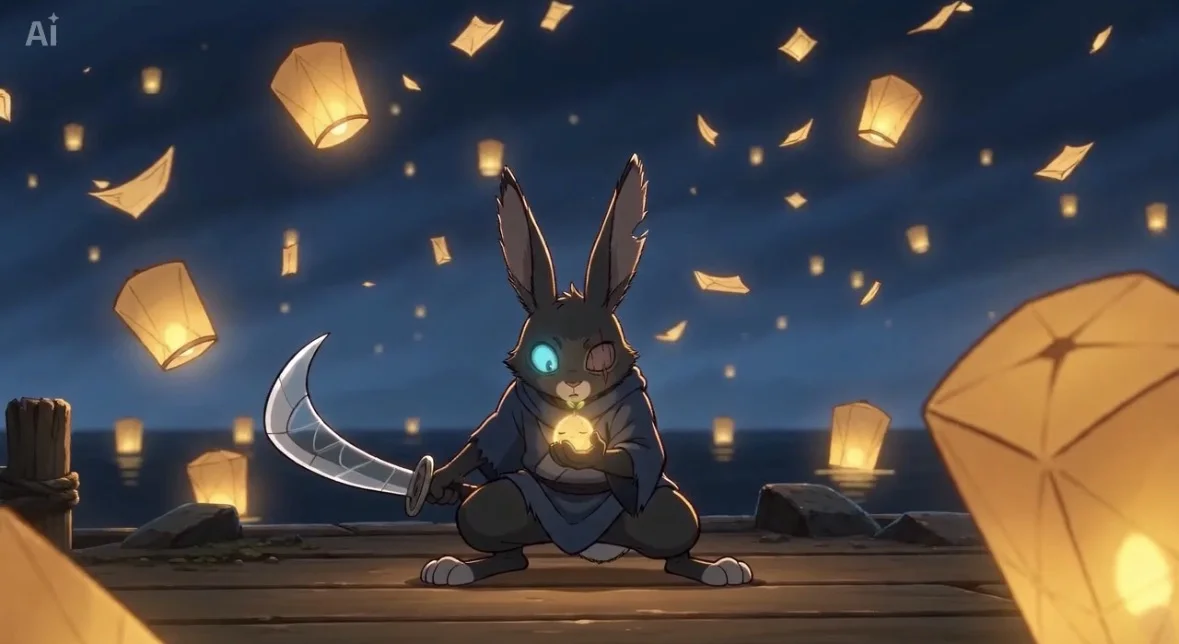
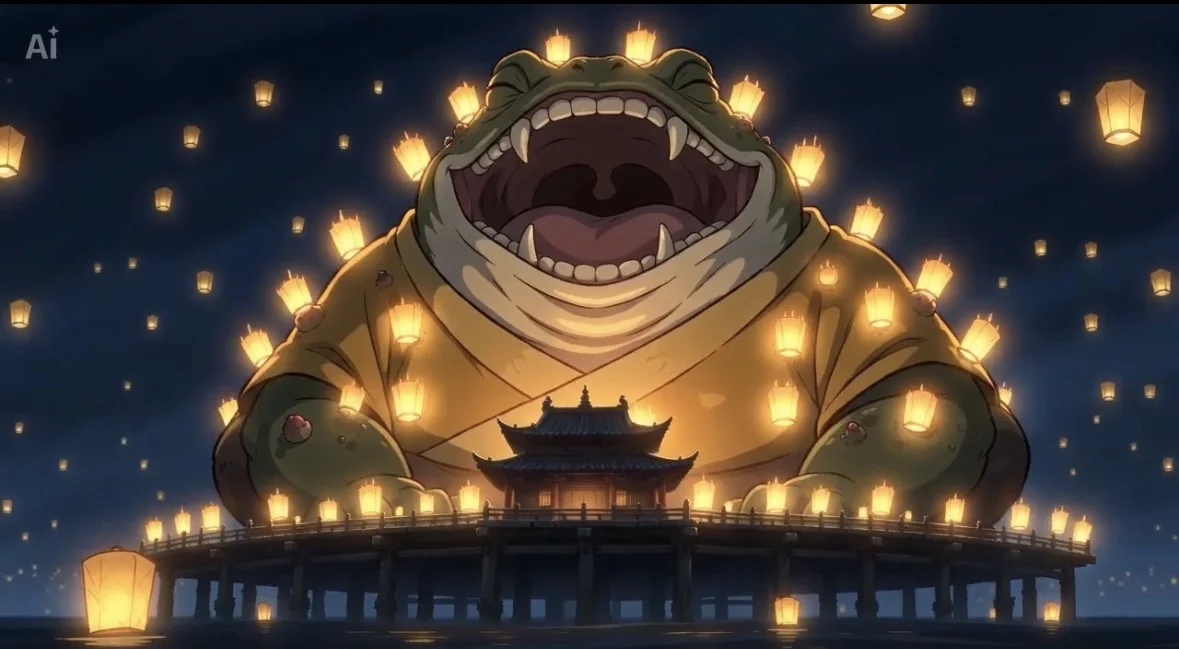
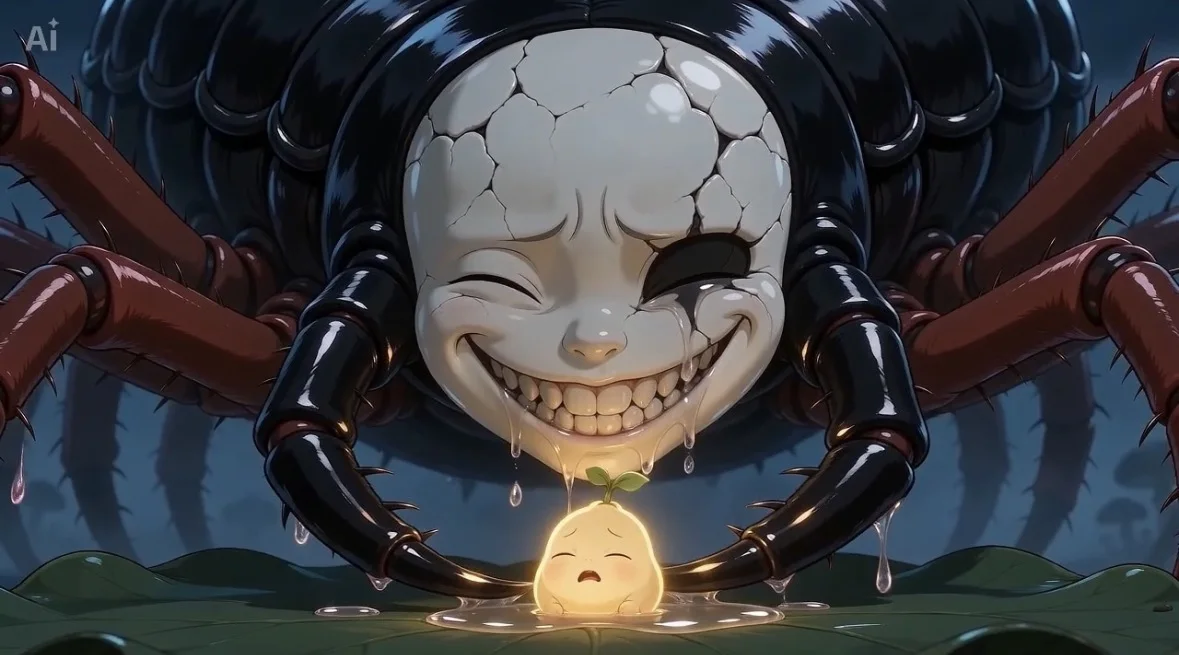
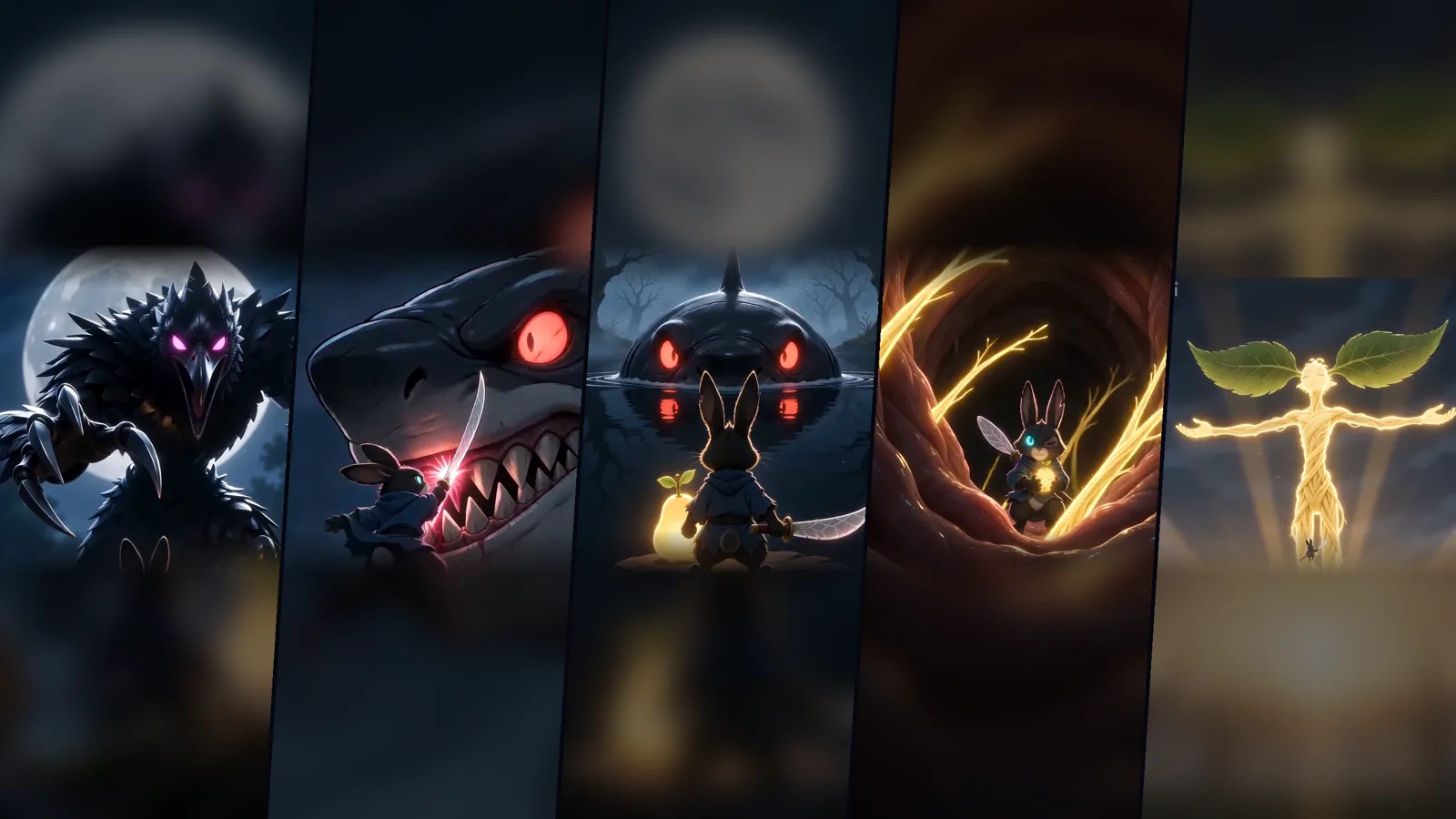
I started somewhere else. The first idea was forgotten history. It went through several concepts before research into what performs on Shorts pointed the same way each time: animal heroes, one simple conflict, a villain whose motive is obvious in a second. That became Gods of Tomorrow. Kuro, a one-eyed hare ronin, protects the Seed, a tiny child-god, from monstrous creature gods. Whoever eats the Seed becomes the God of Tomorrow.
How it was made
Every frame is AI-generated. I directed; CapCut’s Dreamina Seedance drew; Claude wrote and refined the prompts with me and helped read the results. The editing, branding and channel launch were done by hand.
The plan was a 12-episode season. A fixed credit budget, about 60 credits per 15-second clip, made every re-make a decision. I cut the season to 10 episodes, rewrote the finale as two joined clips, and kept the saved credits for fixing what the audience would notice.
The prompt became the design system.
Research first, then story. I looked at what holds attention on Shorts, pivoted to a dark fantasy with an animal hero, and wrote three seasons as arcs before generating a single frame. Season 1, “The Seed”, introduces Kuro and the Seed; Season 2, “Seeds of Night”, is fully scripted; Season 3, “The Crown”, is outlined.
- ConceptResearch into what performs, then three season arcs
- Prompt systemOne structured prompt per episode
- Review loopFrames pulled, critiqued, prompt rewritten
- Style evolutionGlossy 3D to game-cinematic to photoreal
- LaunchBanner, upload packs, Instagram Collab
Create a 14-second vertical 9:16 portrait animated AI video.
Visual style: AAA mobile game cinematic trailer look, hyper-detailed glossy 3D CGI
with realistic fur, wet surfaces, particle sparks, embers and heavy volumetric fog,
brutal fast-paced action choreography, extreme slow-motion on every hit.
Characters: Kuro, a small black hare ronin standing upright, with long torn ears,
one glowing neon-cyan eye and one eye scarred shut, a tattered indigo coat,
and a curved blade made from a translucent dragonfly wing.
Every action must be shown happening on screen with physical contact;
nothing teleports or appears from nowhere.
0-2s: the tiny glowing Seed falls from the night sky like a golden comet
and smashes into the forest floor, a huge golden shockwave blasting through the trees.
4-10s: Kuro drops from the moonlit sky and lands in front of the Seed,
then explodes into a brutal fast combo.
Do not show any text, subtitles, captions, letters, words, signs or logos anywhere in the video.
Prompt as design system
Each episode is one structured prompt: a style line, the setting, the characters, framing rules, the shots timed second by second, then sound. Treating the prompt as a system did what a design system does at work. It kept the parts consistent, made the next episode faster to write, and gave failures somewhere to land as rules.
Review loopI generated each clip. Claude pulled frames from the video and critiqued them against the script: did the villain reach for the Seed, is the scar on the left eye, can you see the fight. The next prompt was rewritten to fix what broke. That loop is what made continuity hold across ten episodes, and it saved credits, because most problems were caught before a second generation.
Style evolution
Glossy 3D first. Then manga action effects for the fights. The intro trailer took a “AAA mobile game cinematic” style, which became the best-received piece. For Season 2 I’m testing a photoreal blockbuster style from a reference image. The four stills below are from the first style; the trailer above shows where it went.
Launch
Channel banner and title graphics built from episode frames. Upload packs for each platform: titles, descriptions and 500-character tag lists. Posting Tuesdays and Fridays at 6pm UK. On Instagram, each post goes out as a Collab with my main account, creativik_rc, which has more than 4,000 followers, so the new channel borrows an audience from day one.
Rules the failures taught me.
Each rule exists because an episode broke without it. Rule first, reason second.
- Show the grabEvery villain visibly reaches for the Seed, and Kuro blocks it inches away. Without that beat, viewers didn’t understand what the fight was about.
- Front-on fightsNothing happens off screen. If the camera can’t see the blow, the viewer assumes it didn’t land.
- Lock the detailsThe scar is always on the left eye. The model swapped sides between episodes until the prompt pinned it, the same reason a design system fixes a token.
- Never let the AI writeAny rendered text came out misspelt, so titles and cards are added in the edit.
- Design for the platform’s rulesNo skeletons, no human body parts, stylised neon blood. A series that can’t be monetised can’t continue.
The first days, and what the data changed.
These are launch-week figures, not a verdict. I’m showing them because the point of the project is the loop: publish, read the numbers, change the design. Instagram figures are as of 24 October 2026; TikTok and YouTube are day one.
- 1,855views of Episode 2 on Instagram, the best-performing episode, with a 10-second average watch
- 589views of the intro trailer on Instagram, from 343 viewers, with 32 likes and 14 comments
- 37%of Episode 2’s Instagram viewers watched to the end; the steepest drop came in the first five seconds
- 65%of trailer viewers on Instagram didn’t follow either account, so the Collab brought new people, not just my followers
- 1 in 6YouTube viewers of the trailer subscribed on day one: 8 subscribers from 52 views
- 3 sis roughly when TikTok viewers left on day one (706 views of Episodes 1 to 3); on YouTube Shorts about half swiped away
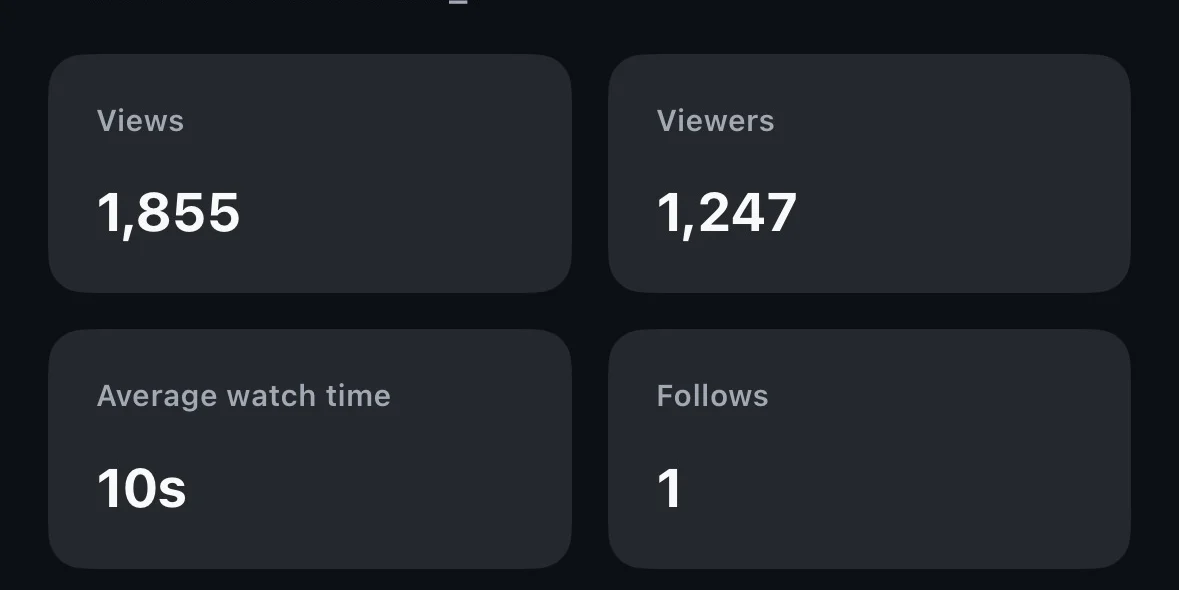
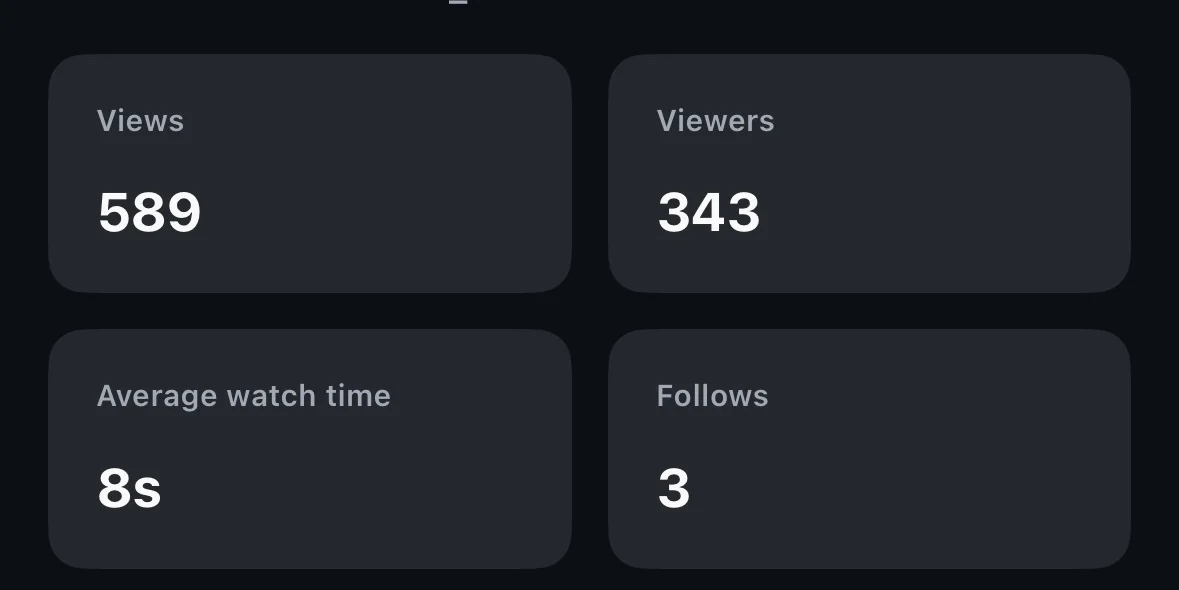
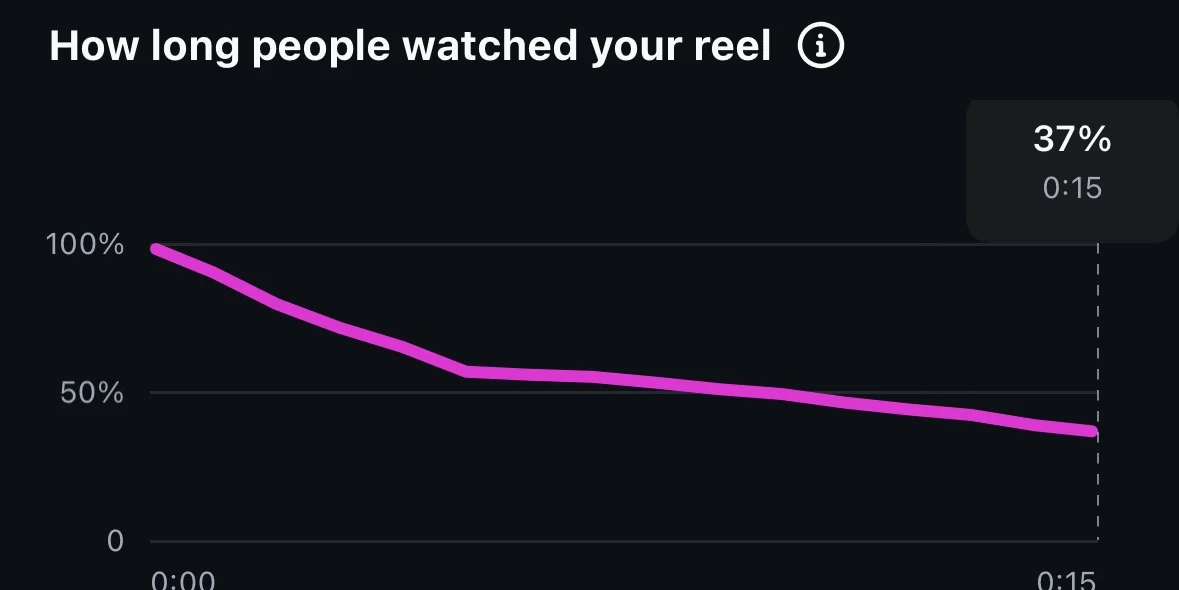
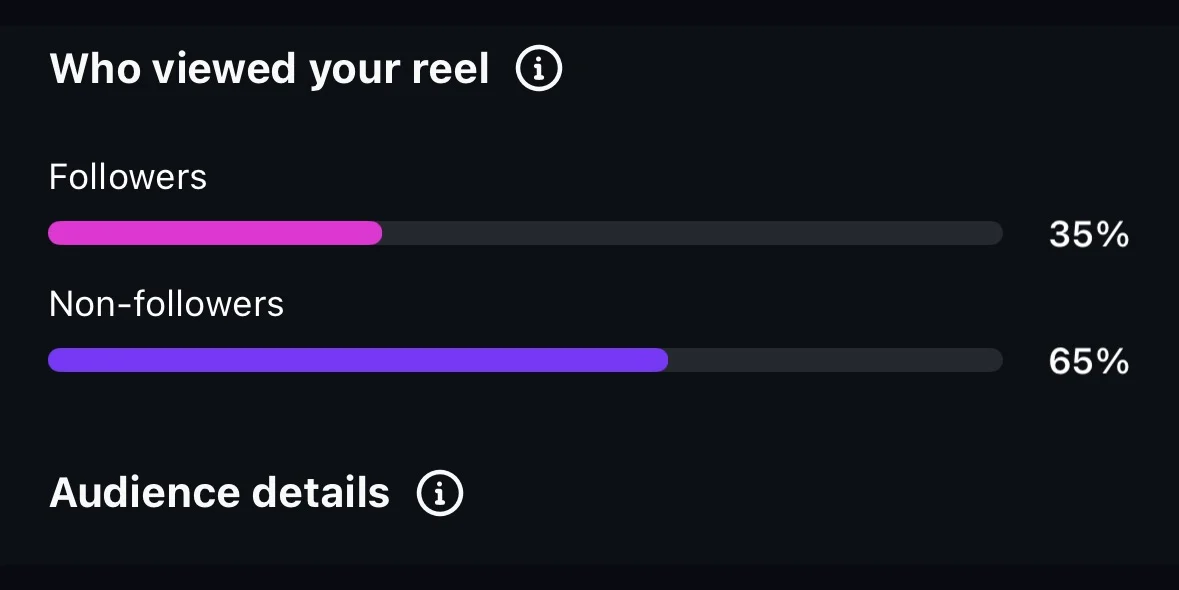
The slow, scene-setting openings were losing cold audiences before the story started. Most viewers were new, arriving with no context, and the early drop on every platform pointed at the same five seconds. The audience also skews 25 to 54, with 45 to 54 the largest group at 34.6%, older than I had assumed for Shorts.
Season 2 opens every episode on a one-second hook: the monster lunging at camera. The end card is dropped on TikTok and Instagram, where it was dead time. The same loop I use in UX, run on a cartoon.
Two more seasons, written before they’re drawn.
Season 2, “Seeds of Night”, is fully scripted: ten episodes, each opening on a hook, in a photoreal style I’m testing against a reference. Season 3, “The Crown”, is outlined and ends the trilogy. The thing I’m most interested in measuring is whether the one-second hook changes TikTok’s three-second drop-off. If it does, the rule goes in the rulebook. If it doesn’t, the data gets another look.
Where to watch
New episodes on Tuesdays and Fridays at 6pm UK, on YouTube Shorts, TikTok and Instagram Reels. Season 1 is complete; Season 2 follows.
Let’s make something work better.
Available for senior UX and interaction design opportunities. See how I work.